

Christian Sacraments
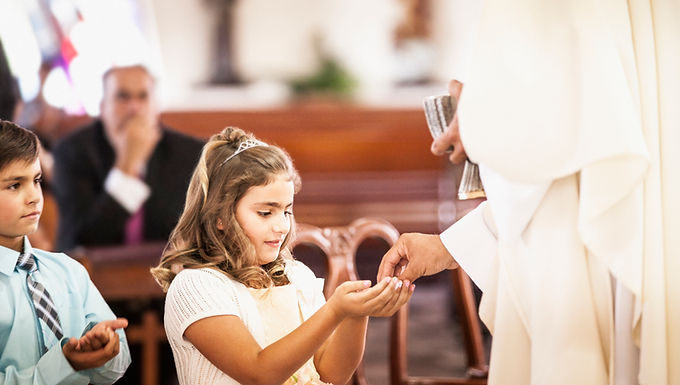
While there are numerous rituals practiced in the Christian faith, there are only two sacraments that Jesus specifically instructed his followers to practice which are baptism and communion.
Sacrament of Baptism
Baptism is a fundamental sacrament Christianity, signifying the believer's initiation into the faith. It symbolizes cleansing from sin, rebirth, and the reception of the Holy Spirit. While practices and theological understandings may vary, the core significance remains universal.
Biblical Foundation:
The practice of baptism is rooted in the New Testament. Jesus Himself was baptized by John the Baptist in the Jordan River, marking the beginning of His public ministry (Matthew 3:13-17). Jesus also commanded His disciples to baptize new believers in the name of the Father, the Son, and the Holy Spirit (Matthew 28:19-20).
Symbolism and Meaning:
1. Cleansing from Sin: Baptism symbolizes the washing away of sins, representing spiritual cleansing and purification (Acts 22:16).
2. Death and Resurrection: It signifies the believer's identification with the death, burial, and resurrection of Jesus Christ (Romans 6:3-4). Going under the water symbolizes dying to sin, and emerging from the water represents rising to a new life in Christ.
3. Initiation into the Church: Baptism marks the formal admission of a person into the Christian community, making them part of the body of Christ (1 Corinthians 12:13).
Types of Baptism:
1. Believer’s Baptism: Practiced by most Protestant and non-denominational churches, this form requires a personal confession of faith. It involves full immersion in water and is typically administered to individuals who are old enough to understand and profess their faith in Jesus Christ.
Theological Perspectives:
- Symbolic Act of Obedience: In many Protestant and non-denominational traditions, baptism is seen primarily as a symbolic act of obedience and public declaration of faith rather than a means of grace. It is an outward sign of an inward grace already received through faith.
Ritual and Practice:
- Elements: The essential elements of baptism are water and the invocation of either the Trinitarian formula ("in the name of the Father, and of the Son, and of the Holy Spirit") or the name of Jesus only ("in the name of Jesus Christ"). Some denominations believe that invoking the name of Jesus alone is sufficient, as the fullness of the Trinity is present in Him.
- Ceremony: The baptismal ceremony typically includes readings from Scripture, prayers, and a profession of faith by the candidate. The minister then baptizes the candidate with water, using either the Trinitarian formula or the name of Jesus, depending on the church's practice.
Significance in Christian Life:
- Spiritual Rebirth: Baptism marks the beginning of a new spiritual journey, signifying rebirth and the indwelling of the Holy Spirit.
- Covenant Relationship: It establishes a covenant relationship between the believer and God, bringing the individual into the community of faith.
- Commitment to Discipleship: Baptism calls the believer to a life of discipleship, following the teachings of Jesus and participating in the life of the church.
Sacrament of Communion
The sacrament of Communion, also known as the Lord's Supper or Eucharist, is a central rite in Christian traditions. It commemorates Jesus Christ's Last Supper with His disciples and His sacrificial death on the cross. This sacrament serves as a means of grace, a memorial, and a proclamation of faith.
Biblical Foundation:
The practice of Communion is instituted by Jesus Christ during the Last Supper. He broke bread and shared the cup with His disciples, instructing them to do this in remembrance of Him (Luke 22:19-20; 1 Corinthians 11:23-26). It symbolizes the new covenant established through His death and resurrection.
Symbolism and Meaning:
1. Remembrance: Communion is a memorial of Jesus' sacrifice. Believers reflect on His death, resurrection, and promise to return (1 Corinthians 11:24-25).
2. Proclamation: By partaking in Communion, Christians proclaim the Lord's death until He comes again (1 Corinthians 11:26).
3. Unity: Communion fosters unity among believers, symbolizing their shared faith and fellowship in the body of Christ (1 Corinthians 10:16-17).
4. Thanksgiving: It is a time of giving thanks for the salvation and grace received through Jesus Christ.
Elements:
- Bread: Represents the body of Christ, broken for the sins of humanity.
- Wine (or Grape Juice): Symbolizes the blood of Christ, shed for the forgiveness of sins.
Theological Perspectives:
- Memorialism: Many Protestant and non-denominational churches view Communion primarily as a memorial act. The elements are symbols that remind believers of Christ's sacrifice.
- Spiritual Presence: Some traditions believe in a spiritual presence of Christ in the elements. While the bread and wine remain unchanged, Christ is spiritually present during the sacrament, imparting grace to the participants.
Ritual and Practice:
- Frequency: The frequency of Communion varies. Some churches observe it weekly, others monthly, and some on special occasions.
- Administration: The elements are typically blessed by a pastor or church leader and then distributed to the congregation. In many churches, the bread and cup are passed among the attendees, while others may come forward to receive them.
- Preparation: Believers are often encouraged to examine themselves and confess any sins before partaking in Communion, ensuring they approach the table with a reverent and sincere heart (1 Corinthians 11:28-29).
Significance in Christian Life:
- Nourishment: Communion provides spiritual nourishment and strengthens the believer's faith.
- Renewal: It serves as a regular opportunity for personal reflection, repentance, and renewal of one's commitment to Christ.
- Community: It reinforces the sense of community and unity among believers, reminding them of their shared faith and common bond in Christ.